
Start with safety: stay clear of downed lines and out of any room with a sagging ceiling. Photograph everything from the ground, inside and out, before you move a thing. Call your insurance carrier to open a claim. Then bring in a licensed roofer for storm damage roof repair, starting with a tarp and a full inspection.
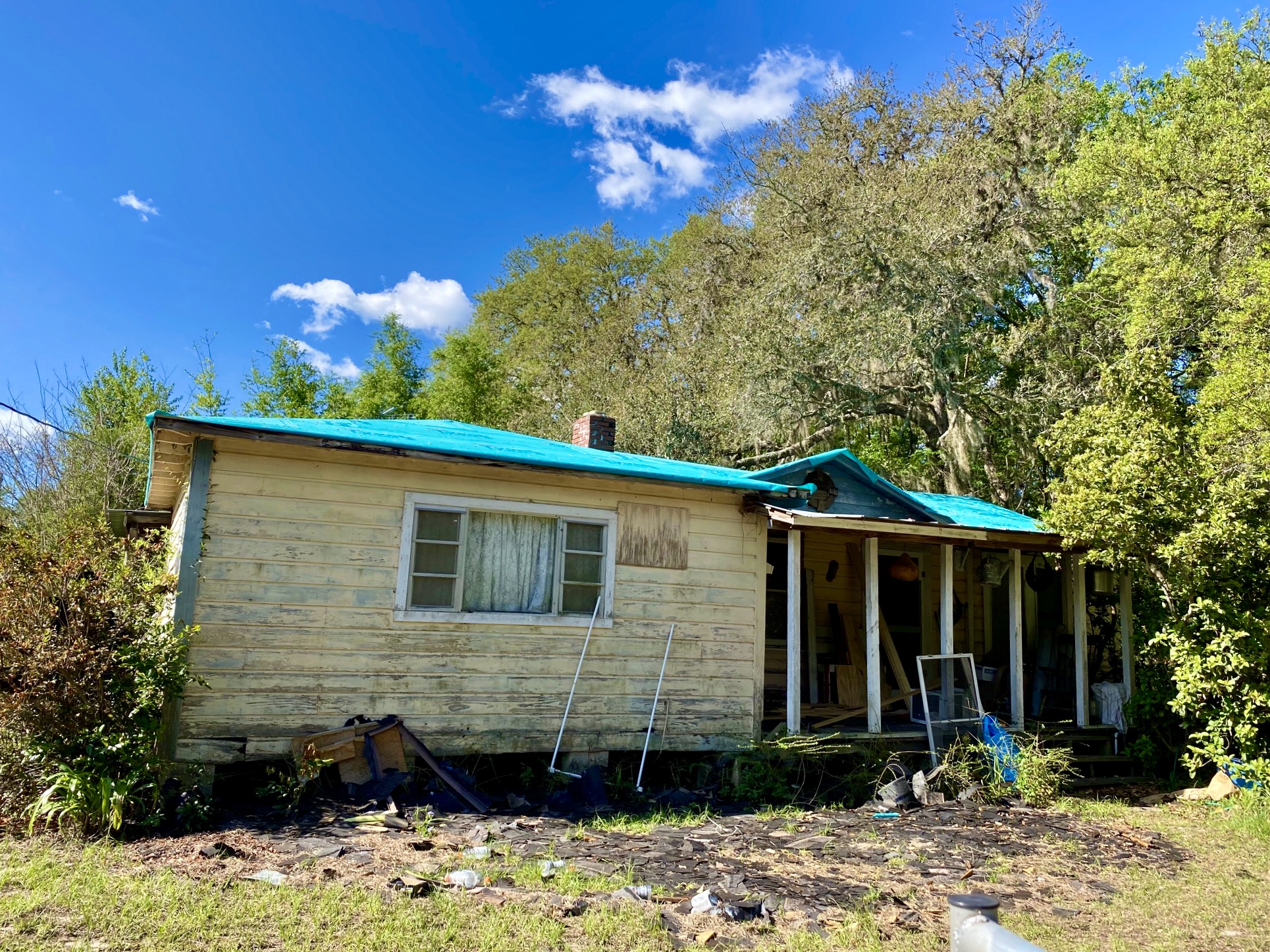
The first 24 hours, in order
Order matters more than speed here. Doing step four before step one is how people get hurt and how good claims get weakened.
- Check for hazards before you step outside. Downed lines, the smell of gas, and standing water near electrical panels mean you stay put and call the utility. Ready.gov’s hurricane guidance is blunt: never go near downed lines, and do not re-enter a building until you know it is safe.
- Walk your ceilings and closets. Look for brown rings, bubbling paint, and damp drywall. Water travels sideways along rafters, so the stain is rarely under the hole.
- Photograph before you clean up. Every angle of the house from the ground, every ceiling stain, every wet piece of furniture, plus yard debris.
- Put buckets down and pull furniture back. Photograph anything you plan to throw out.
- Note when the damage started. Carriers ask. A timestamped photo answers it.
- Call your carrier and open a claim. You can open it before you have a repair number.
- Call a licensed roofer for a tarp and an inspection. A tarp is temporary protection so the inside stops getting worse while the claim moves.
- Keep every receipt. Tarps, fans, a hotel stay.
If you are staring at an active drip, handle that first. Our roof leak repair crew dries in the opening before anything else happens.
When is storm damage a roofing emergency?
Not every missing shingle needs a truck tonight. These do:
- Water actively running into the house, not dripping
- A ceiling that is sagging, bulging, or holding weight
- Daylight visible from inside the attic
- A tree limb resting on the roof
- Whole sections of shingles or a run of metal panels gone
- Any water near a panel, fixture, or outlet
Everything else can wait for daylight. After a storm we commonly see homeowners panic over cosmetic granule loss while a slow leak two rooms over goes unnoticed for a week.
What the damage actually looks like
Central Florida damage falls into a few buckets, and only one is obvious from the curb.
Wind damage shows up as lifted, creased, or missing shingles, exposed nail heads, and torn ridge caps. A shingle that lifted and laid back down still broke its seal, which is why roofs leak weeks after the storm.
Water intrusion hits the weak points first: vents, chimneys, skylights, and valleys. Failed flashing and cracked pipe boots are the usual culprits.
Impact damage comes from branches, wind-thrown debris, and hail. Look for dark bruised spots where granules are knocked off, plus musty smells and stains inside that grow after each rain.
Documenting the damage for your claim
Documentation is the part homeowners get wrong most often. Shoot it in this order.

- Wide shots of all four elevations from the ground, so the adjuster can orient.
- Medium shots of each damaged area from a couple of angles.
- Close-ups of specific defects: the creased shingle, the torn boot, the dented vent.
- Every interior stain, with something in frame for scale.
- A short video walking the perimeter, narrating what you see.
Then write a one-page timeline: when the storm hit, when you first saw water, who you called. One folder, policy number on top.
We will document what we find during a roof repair inspection and hand you photos and notes for your adjuster. That is documentation support, not claim handling.
Will homeowners insurance pay for roof repair?
Sometimes, and it turns on your policy language rather than on anything a roofer tells you. Coverage depends on whether the damage came from a sudden covered event or from age and wear, and policies differ on deductibles and wind exclusions. If the damage is bad enough to need a whole new roof, our guide to whether homeowners insurance covers roof replacement in Florida covers roof age, actual cash value, and the rules Florida sets.
Read your declarations page and the loss-settlement section, then call your carrier. Florida homeowners also have a free resource most never use: the state Department of Financial Services runs an Insurance Consumer Helpline at 1-877-MY-FL-CFO that will review your policy with you.
If the claim is denied or the damage falls under your deductible, call us and we will tell you whether it is a patch or a bigger conversation.
The door-knockers who show up after
Storms bring out-of-town crews into Orlando neighborhoods within days. Some are fine. Some are not, and homeowners here have earned their skepticism.
Before you sign anything:
- Ask for the Florida license number and verify it yourself
- Ask for proof of general liability and workers’ comp
- Say no to anyone offering to cover or eat your deductible
- Refuse pressure to sign on the spot, especially a document that assigns your claim
- Get the scope and the price in writing
The state’s own advice after storm damage is simple: do not sign anything, and call the helpline first. A contractor who will not wait a day for you to read a contract is telling you something.
Our answer to all of it is simple. Tommy, the owner, is on every roof we work on, and the inspection is free whether or not you hire us.
Coastal roofs age differently
Salt air and heavier wind exposure age fasteners and flashing faster on the Space Coast than inland. On homes in Melbourne and Merritt Island, we look hard at corroded nail heads, rusted drip edge, and chalky sealant at the flashing joints. Those are the spots that let water in during the next storm, not this one.
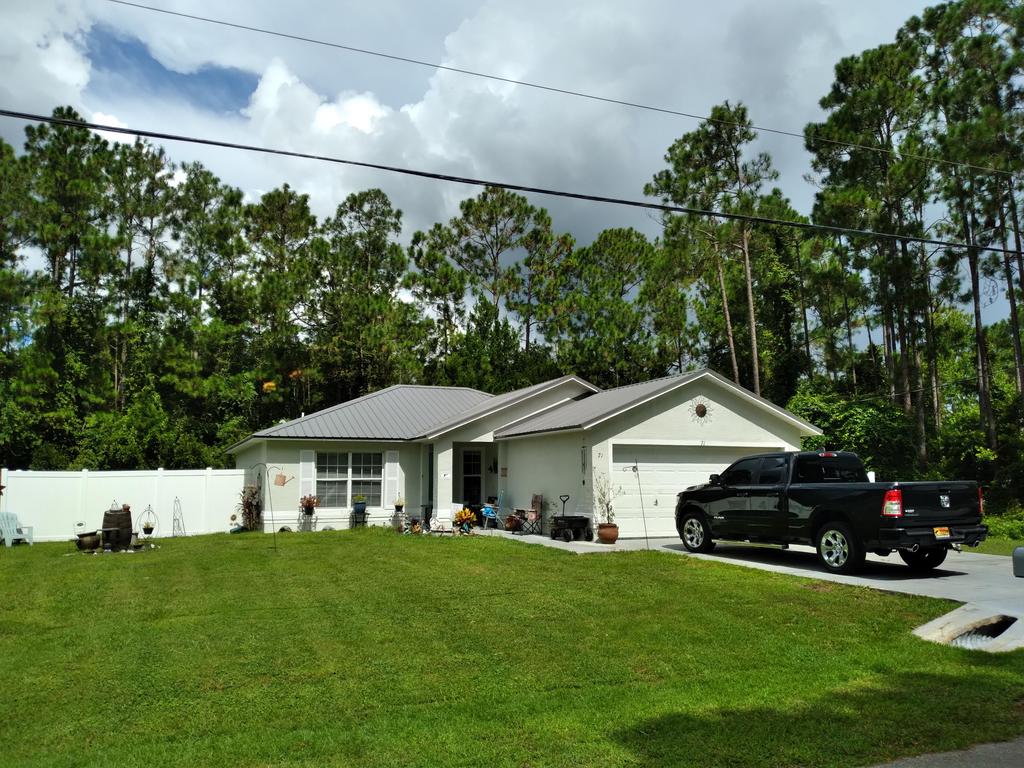
NOAA puts the Atlantic hurricane season at June 1 through November 30, with the statistical peak on September 10. Getting a marginal roof looked at in early summer beats hunting for a roofer that month.
Frequently Asked Questions
What to do if your roof is damaged in a storm?
Check for downed power lines and stay out of rooms with sagging ceilings. Photograph the damage inside and out before cleaning anything up. Call your insurance carrier to open a claim, then call a licensed roofer to tarp the opening and inspect the roof.
Will homeowners insurance pay for roof repair?
It depends on your policy and on the cause. Coverage usually hinges on whether the damage came from a sudden covered event rather than age and wear, and deductibles and wind provisions vary. Read your declarations page, call your carrier, and use the free Florida Insurance Consumer Helpline for a second read.
How long after a storm can you claim roof damage?
Florida sets an outer limit. Under Florida Statute 627.70132, notice of an initial or reopened claim has to reach your insurer within one year of the date of loss, and a supplemental claim within 18 months. For a hurricane the clock starts at landfall, not the day you noticed the damage. Your own policy can require notice sooner, so confirm your window with your carrier. Do not sit on it either way, because delay makes it harder to prove which storm caused what.
Should I get on the roof to check for damage myself?
No. Wet shingles are slick, storm-loosened decking can give way underfoot, and walking a damaged roof scuffs granules in ways that muddy the claim. Look from the ground with binoculars or a phone zoom, check the attic and ceilings from inside, and let a licensed roofer handle the rest.
Can I put a tarp on my roof myself?
If you can do it safely from a ladder without stepping onto the roof, a tarp beats nothing. But poorly anchored tarps tear off in the next band of wind, and the fasteners can create new holes. Most homeowners are better off calling a roofer.
Get a free roof inspection after the storm
A roof that looks fine from the driveway can leak into insulation for weeks before a ceiling stain shows up, and that is when a small repair turns into a major one.
Our inspection is free, we will show you photos whether the news is good or bad, and every full re-roof carries a 5-year workmanship warranty. If the damage runs deeper than a repair, we will walk you through roof replacement. Call 407-446-9290 or reach out here.