
Sometimes. Florida homeowners insurance generally pays toward a new roof when a covered event, like a windstorm, damages it badly enough to need replacing. It doesn’t pay to replace a roof that’s simply worn out. Your deductible, your roof’s age, and whether the policy pays replacement cost or actual cash value decide how much you actually get.
So “does insurance cover roof replacement?” really comes down to why the roof needs replacing and how your policy pays.
A quick note before we start. This is general information about Florida law, not a coverage opinion on your policy. Your policy language and your insurer decide coverage, and Florida law doesn’t let a roofing contractor interpret it for you (more on that below).
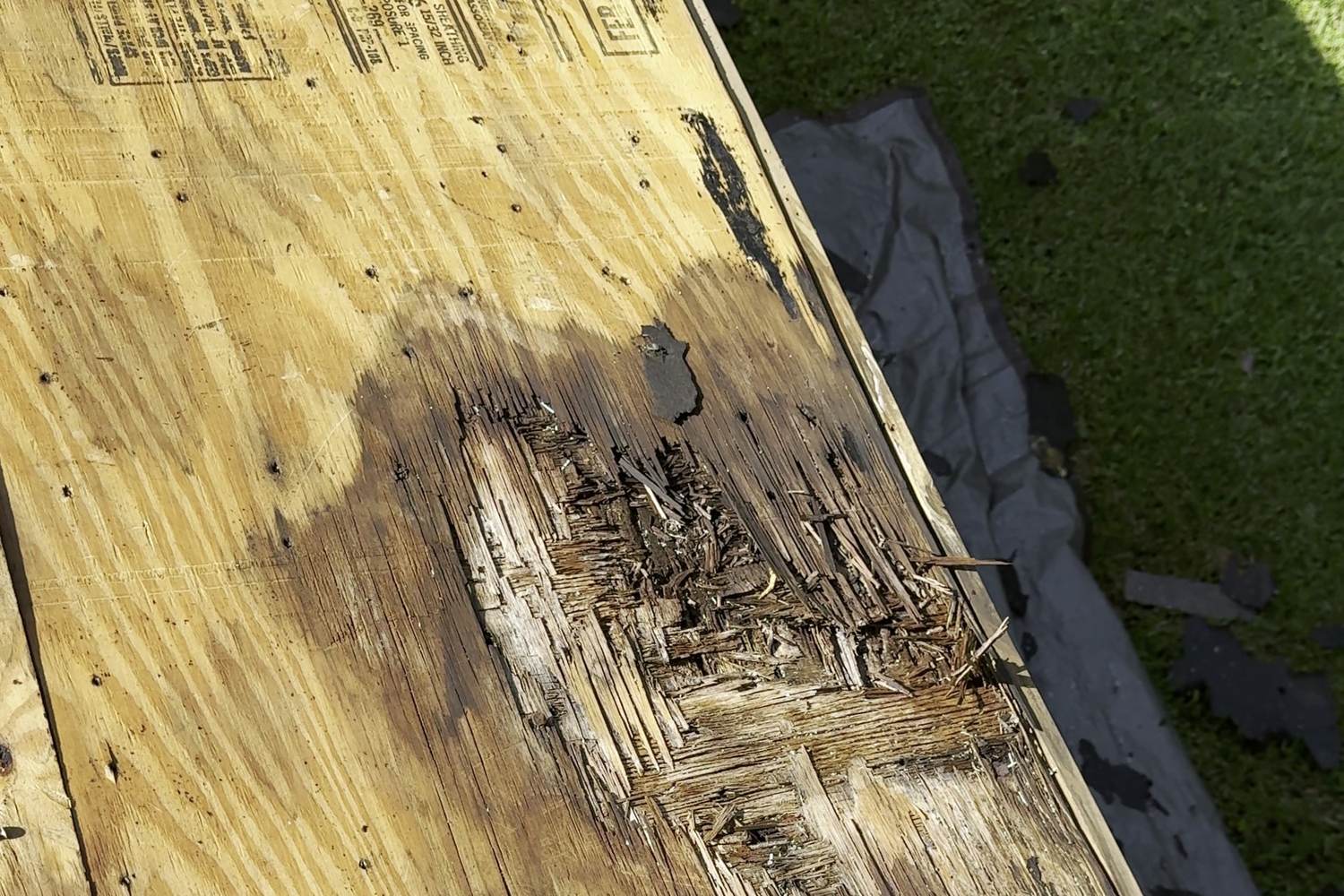
When does insurance pay for a new roof?
Insurance is built for sudden, accidental damage from a covered peril. Wind that tears off whole sections of shingles, or a tree limb that punctures the deck, can lead to a covered replacement if the damage is extensive enough.
What insurance generally doesn’t pay for:
- A roof that has reached the end of its life from sun, heat, and age
- Slow leaks from long-term wear or missed maintenance
- Damage your policy specifically excludes or limits
- Damage reported too late (see the claim deadlines below)
We see this split often on inspections across Central Florida. A roof can look storm-battered and still be failing mostly from age, which matters because the cause is what the adjuster evaluates. If your roof is simply old and you’re planning for it, our guide to what a new roof costs in Central Florida is a better starting point than a claim.
Not sure whether your roof is aging out or damaged? Book a free inspection and you’ll get photos and a straight answer on its condition.
What’s the difference between actual cash value and replacement cost?
Replacement cost pays what it takes to replace the damaged roof with similar materials today, up to your policy limits, minus your deductible.
Actual cash value (ACV) is replacement cost minus depreciation, meaning the value your roof has lost to age and wear. An older roof has more depreciation, so an ACV payment on an older roof can fall well short of what a new roof costs.
Under Florida Statute 627.7011 (opens in a new window), an insurer has to offer replacement cost coverage before issuing a homeowners policy. Florida also sets how a replacement cost claim on your home gets paid:
- The insurer must first pay at least the actual cash value of the loss, minus your deductible.
- It pays the remaining amount as the work is performed and expenses are incurred.
- If your policy has a separate roof deductible, the insurer can hold the roof payment at actual cash value until you show reasonable proof that you paid that deductible.
- If the house is a total loss, replacement cost is paid without holding back depreciation.
Even a replacement cost policy often pays in stages, so a smaller first check isn’t necessarily a denial.
Code upgrades and law and ordinance coverage
A Florida re-roof involves more than new shingles. State law (opens in a new window) requires specific upgrades on residential roof replacements, such as strengthening the roof-deck attachment and adding a secondary water barrier.
Depending on your policy, those costs can fall under law and ordinance coverage, which pays to bring the repaired or replaced part of your home up to current code. Under Florida Statute 627.7011, a homeowners policy is deemed to include law and ordinance coverage of 25 percent of the dwelling limit unless you rejected it in writing. Check your declarations page to see what you have, and ask your agent whether it’s enough.
Roof age and your policy
Roof age affects two different things: whether an insurer will write or renew your policy, and how a claim on an older roof gets paid.
For writing and renewing, Florida Statute 627.7011 sets these rules for policies issued or renewed on or after July 1, 2022:
- Under 15 years old: an insurer can’t refuse to issue or renew your policy solely because of the roof’s age.
- 15 years or older: before requiring a replacement, the insurer must let you get a roof inspection by an authorized inspector, at your expense.
- At least 5 years of useful life left: if that inspection shows it, the insurer can’t refuse to issue or renew solely because of roof age.
Roof age is counted from the last date the entire roof surface was built or replaced under the code in effect at the time. Keep your permit and final inspection paperwork after a re-roof. It’s the easiest proof of that date.
On the claim side, age feeds straight into depreciation, and some policies add roof-specific settlement terms. Read your declarations page and any roof endorsement closely.
Why roof claims get denied or paid less
The most common reasons come back to cause, timing, and policy terms:
- Wear and tear. The adjuster concludes the roof failed from age, not a covered event.
- Late notice. Under Florida Statute 627.70132 (opens in a new window), notice of a new or reopened claim must reach your insurer within 1 year of the date of loss, and a supplemental claim within 18 months.
- Deductibles. A hurricane deductible or separate roof deductible can swallow a large share of the payment.
- Depreciation. An ACV payment on an older roof comes in far below the cost of a new one.
If a storm just hit, start with what to do first after storm damage.
What a roofer can legally do on your claim
Less than many door-knockers suggest. Under Florida Statute 489.147 (opens in a new window), a contractor may not interpret your policy, advise you about your coverage, or adjust a claim for you unless they hold a public adjuster license. A contractor also can’t offer you a gift, cash, or a deductible waiver in exchange for a roof inspection or for filing a claim.
Three facts every Florida homeowner should know:
- You are responsible for paying your insurance deductible.
- It is insurance fraud, a third-degree felony, for a contractor to knowingly or willfully, and with intent to injure, defraud, or deceive, pay, waive, or rebate all or part of your deductible.
- It is also insurance fraud, a third-degree felony, to intentionally file an insurance claim containing any false, incomplete, or misleading information.
When the work is related to an insurance claim, Florida roofing contracts must also advise you to contact your insurance company to verify coverage before signing. And under Florida Statute 627.7152 (opens in a new window), post-loss benefits under a residential property policy issued on or after January 1, 2023 generally can’t be assigned to a contractor or anyone else.
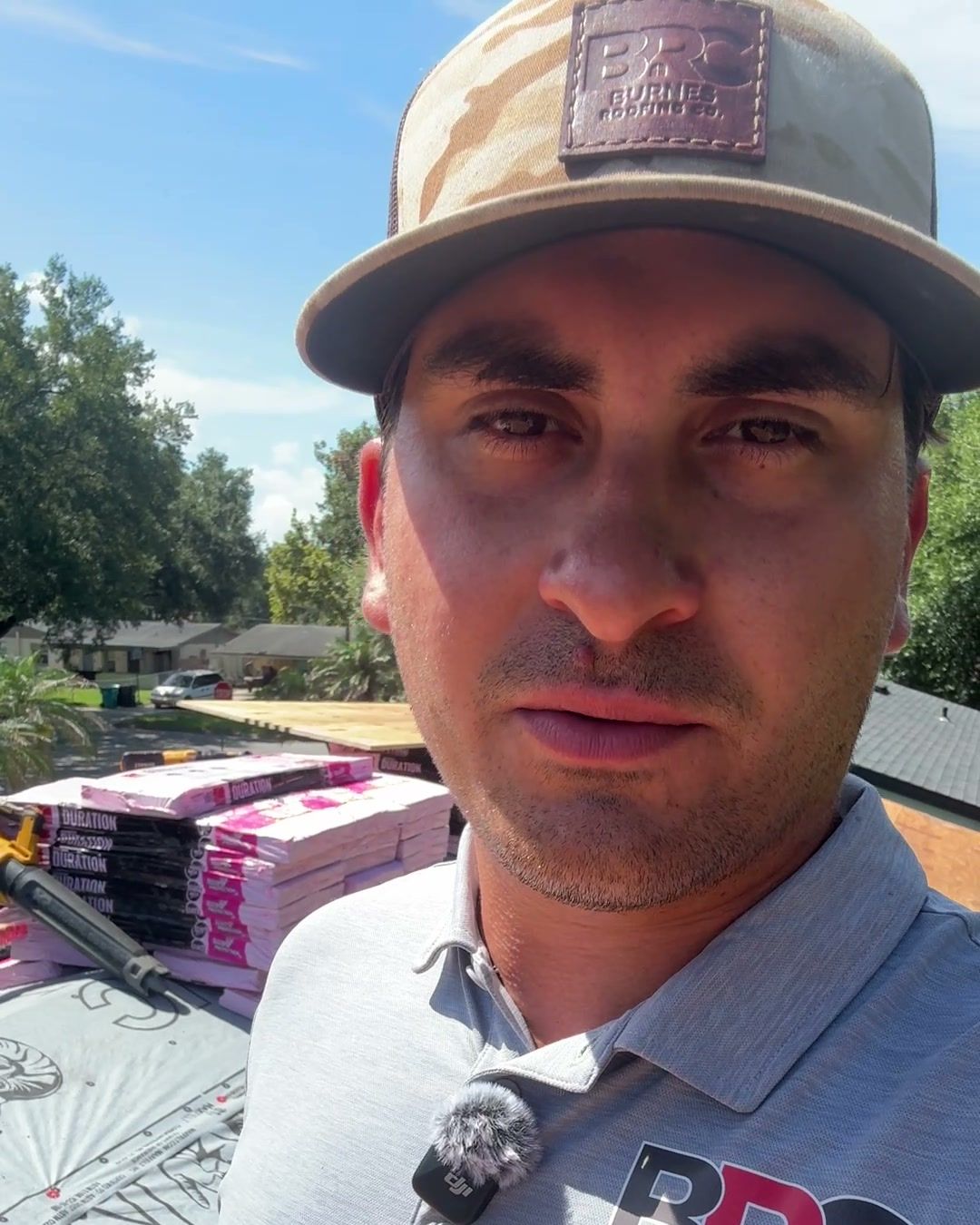
Here’s how we work within those rules. Tommy, the owner, inspects the roof, photographs what he finds, and gives you a written, itemized estimate. What your policy covers is between you, your agent, and your insurer. Burnes Roofing Company doesn’t handle claims or promise coverage.
If you disagree with your insurer
Florida gives you a few places to turn. Under Florida Statute 627.70131 (opens in a new window), your insurer generally has 60 days after receiving notice of a claim to pay or deny it, with a written explanation of the reason.
If you disagree:
- Ask the insurer for its estimate and the policy language it relied on.
- Call the state’s Insurance Consumer Helpline (opens in a new window) at 1-877-MY-FL-CFO. The state’s insurance specialists can walk you through your options.
- Ask about mediation. Florida Statute 627.7015 (opens in a new window) sets up a nonadversarial mediation process for disputed residential property claims.
If it goes further than that, talk to an attorney. Florida Statute 627.70152 (opens in a new window) adds a written notice step before any lawsuit over a property insurance claim, and that’s legal territory, not a roofer’s.
Frequently Asked Questions
How old can a roof be before insurance won’t cover it in Florida?
Florida doesn’t set one cutoff age for claims. For writing and renewing policies, an insurer can’t refuse solely because a roof is under 15 years old. At 15 years or older, it must allow an inspection first, and it can’t refuse on age alone if the roof has at least 5 years of useful life left.
Will insurance cover a 20-year-old roof?
An insurer can’t refuse to write or renew your policy on roof age alone if an inspection shows at least 5 years of useful life left, but claim payments on an older roof are often smaller. Depreciation is higher, and policies may settle older roofs at actual cash value. Check your declarations page and ask your agent.
What type of roof damage is covered by insurance?
Homeowners policies generally cover sudden damage from covered perils, such as wind, fallen trees, and wind-driven debris. They generally don’t cover wear, age, or poor maintenance. Exclusions and deductibles vary by policy, so your policy language is the final word.
Can a roofing contractor help with my insurance claim?
A roofer can inspect the roof, document damage with photos, and write an itemized estimate. Florida law bars contractors from interpreting your policy, advising on coverage, or adjusting your claim unless they’re licensed public adjusters, and from waiving your deductible.
Planning a roof replacement
Who pays for the roof doesn’t change what it needs: an honest assessment. We’ll walk it, show you photos of what we find, and tell you plainly if it only needs a repair. Every full re-roof carries our 5-year workmanship warranty.
See how our roof replacement in Orlando process works, or call 407-446-9290 to book your free inspection.